

Hair Loss Blood Tests in Peshawar, Before You Treat the Wrong Thing

A significant share of the hair fall we see is not genetic. It is a deficiency or a hormonal disorder producing a symptom that happens to show up on the head, and when the underlying cause is corrected the hair returns without a single procedure.

The difficulty is that deficiency related shedding and genetic pattern loss look similar in the mirror and entirely different under trichoscopy and on a blood report. Telling them apart takes twenty minutes and a blood draw, and skipping that step is how patients spend a year and a considerable amount of money treating the wrong problem.

Which Blood Tests Actually Matter for Hair Loss

Patients often arrive having had a basic blood count that came back normal, and conclude their hair fall cannot be nutritional. A standard CBC does not test for most of the things that cause hair to shed.

Ferritin

Ferritin measures your iron stores rather than the iron currently circulating, and hair follicles are among the first tissues to suffer when stores run low. Your haemoglobin can sit comfortably in the normal range while your ferritin is far too low for hair growth.

Thyroid function

Both an underactive and an overactive thyroid cause diffuse shedding, and thyroid disorders are common in women in this region. TSH with free T4 is the usual starting point.

Vitamin D

Widely deficient across Pakistan, including in people who spend time outdoors, and associated with hair shedding and with several forms of alopecia.

Vitamin B12

Particularly relevant in vegetarian diets, in patients with absorption problems, and in some patients taking long term medication.

Zinc

Less commonly deficient but a genuine cause of shedding when it is.

Hormonal profile

Where PCOS or androgen excess is suspected, testosterone, DHEA-S and related markers, alongside prolactin where the history suggests it.

Causes We Investigate

01

Iron Deficiency and Low Ferritin

The most common reversible cause we find, particularly in women, and the one most frequently missed because haemoglobin looks normal.

02

Thyroid Disorders

Hypothyroidism and hyperthyroidism both cause diffuse shedding. Hair usually recovers once thyroid function is stabilised, though it lags behind the bloodwork by several months.

03

Vitamin D Deficiency

Common in this population and straightforward to correct once identified.

04

Vitamin B12 and Zinc Deficiency

Less frequent than iron but worth excluding, particularly where diet or absorption is a factor.

05

PCOS and Androgen Excess

Androgen driven thinning needs a different approach from ordinary female pattern loss, usually medical management alongside treatment of the PCOS itself.

06

Post Partum Hormonal Shedding

The hormonal fall after childbirth triggers shedding two to three months later. It resolves on its own in most cases, and the useful intervention is confirming there is no deficiency compounding it.

How This Compares With the Other Treatments


Deficiency and hormonal correction

PRP and plasma

Medical management

Hair transplant

Addresses

A reversible medical cause

Thinning follicles

Genetic pattern loss

Areas already bald

Suits

Shedding with a cause behind it

Miniaturising follicles

Progressive genetic loss

Established baldness

Typical cost

Lowest on our list

Course based

Low ongoing

Highest, one procedure

Time to result

6 to 9 months

4 to 6 months

4 to 6 months

9 to 14 months

Result if it is the right answer

Hair returns without procedures

Thicker existing hair

Loss slows or halts

Permanent new hair


Step-by-Step Hair Transplant Journey

Get a Free Estimate or Schedule an Appointment With Us

Your Consultation, Step by Step

  • Trichoscopy and Assessment

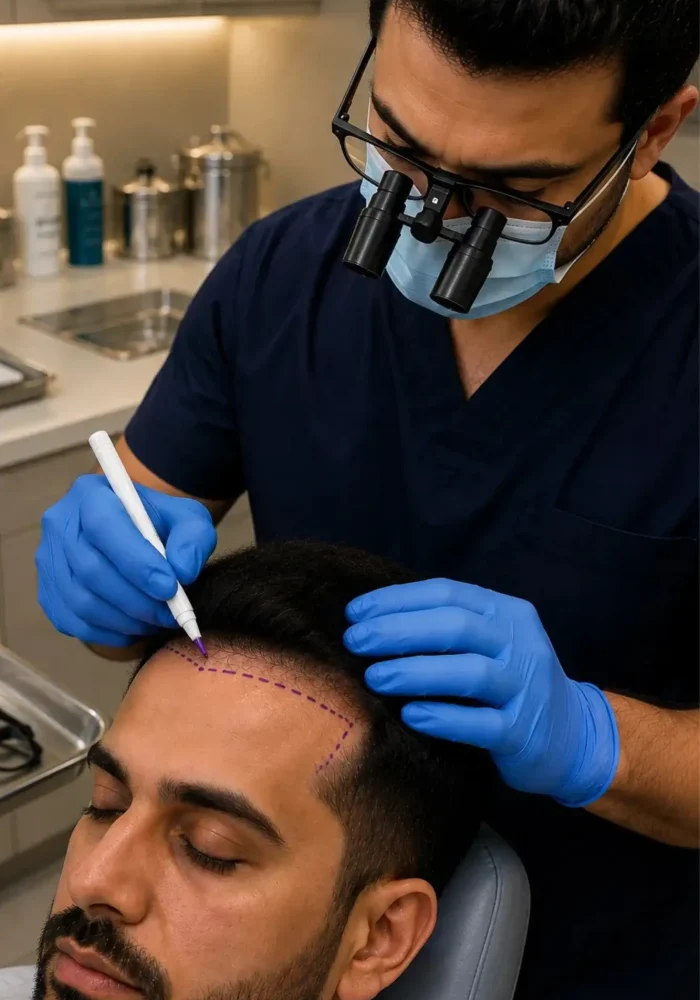
    Magnified examination alongside a history covering diet, recent illness, childbirth, weight change, menstrual pattern where relevant, medication and family history.

  • Test Selection

    The panel is chosen against what your history and scalp suggest.

  • Results Review

    You are walked through each marker, told which numbers matter, and given a written plan.

  • Correction

    Supplementation or treatment at the correct dose for the correct duration, with referral where a thyroid or hormonal disorder needs specialist management.

Meet Your Clinicians

Injections are performed by a doctor. Female clinicians are available on request, and consultations are held in private rooms in Pashto, Urdu and English.
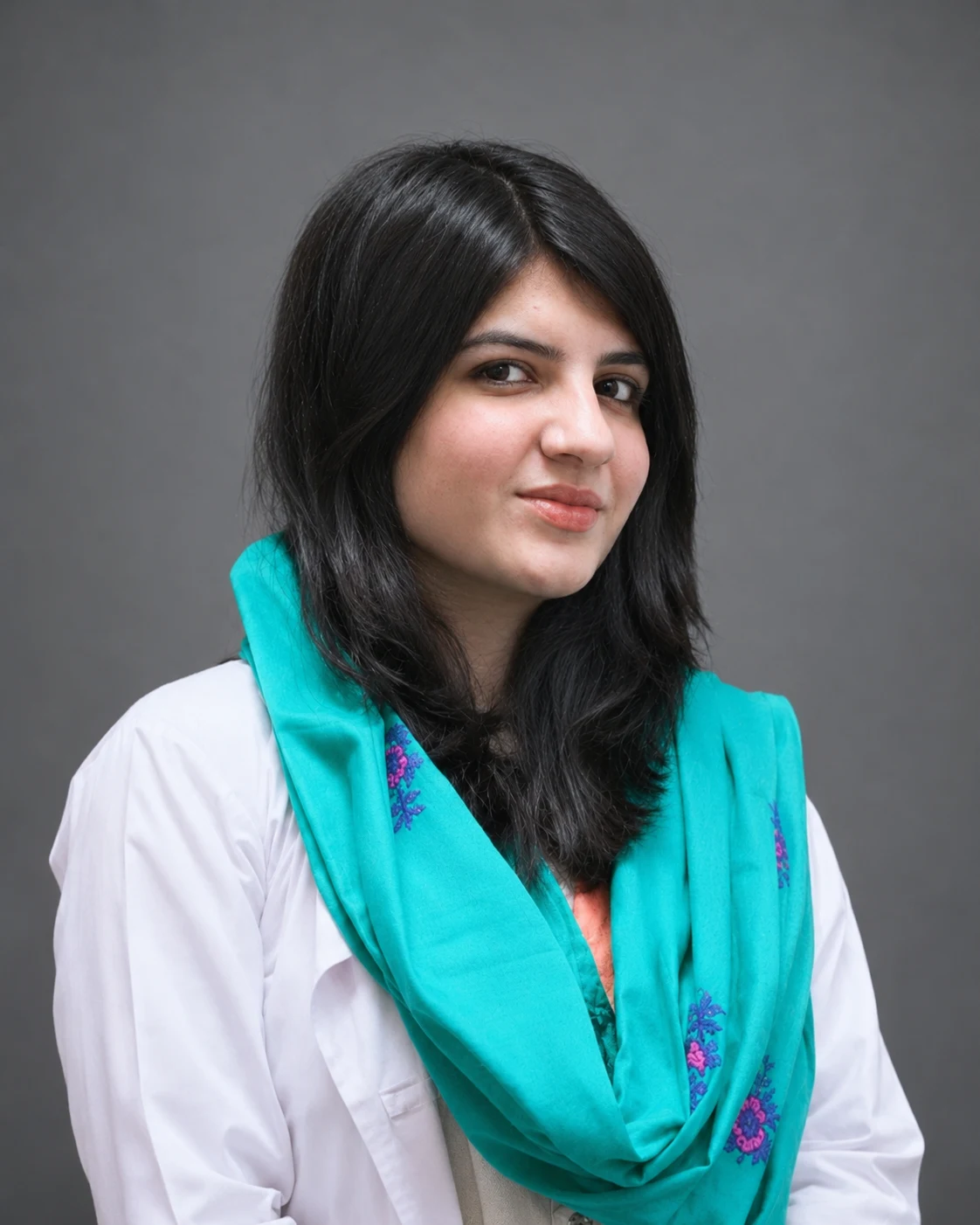
Dr. Esha Ali

Dr. Esha Ali

MBBS, MRCS, Fellowship in Cosmetic Surgery

Reconstructive And Aesthetic Plastic Surgeon
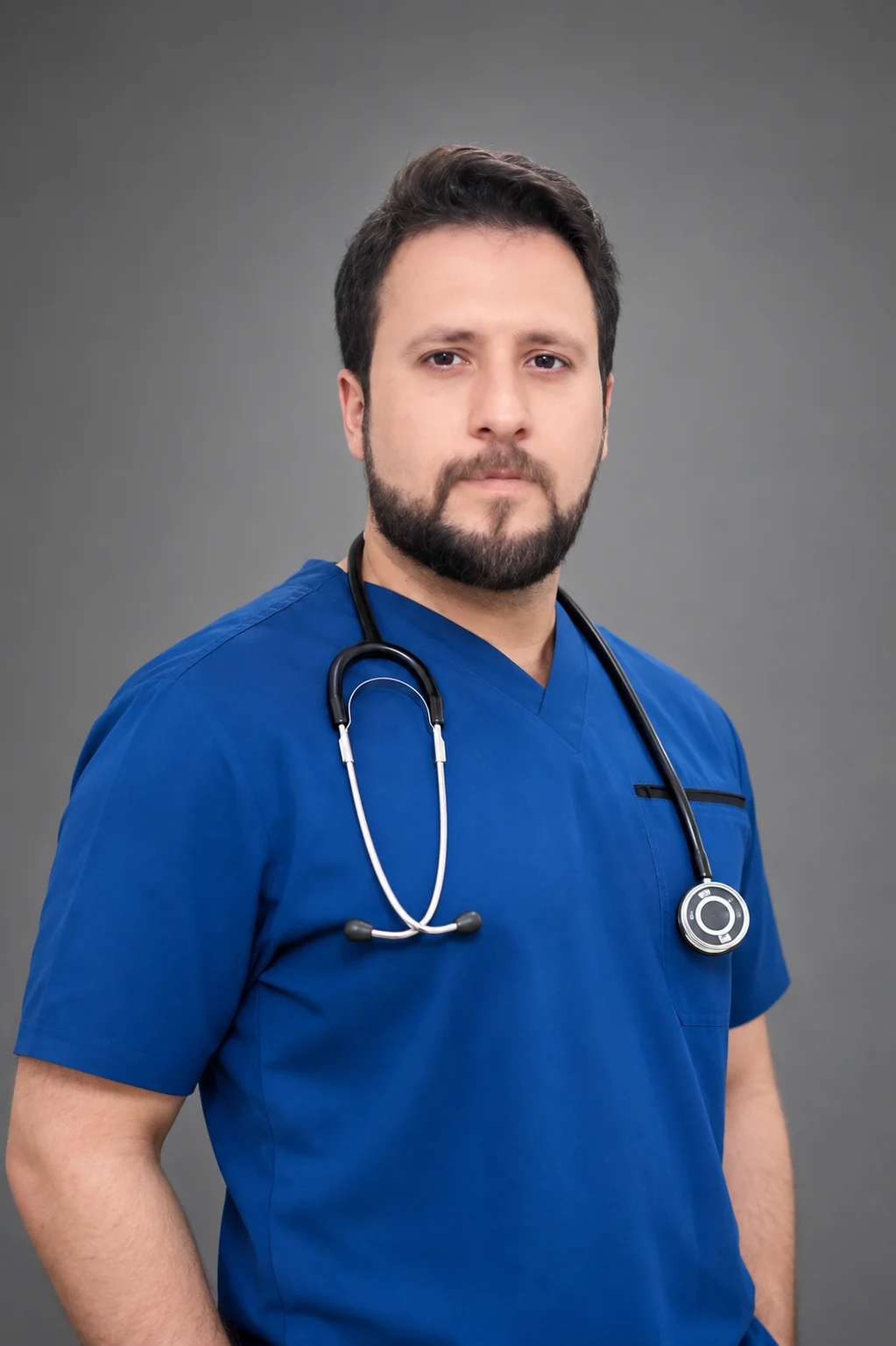
Dr. Mohib

Mbbs, Mcps, Mph, D-Derm Diploma, Diploma in Aesthetic Medicine, Diploma In Liposuction and Nano fat grafting

Hair Transplant Surgeon

Miss. Aleena Fatima

Clinical Nutritionist

Clinical Nutritionist

Patient Reviews And Treatment Stories

They showed me the magnified images from my first visit next to the ones at six months. I could see the difference in the actual follicles, not just a photograph that might have been taken in better light.

Hadia Ali
Hadia Ali

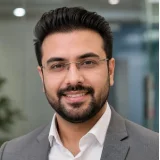
I started PRP early, which the doctor said was the reason it worked. My brother left it four years and was told the same course would not do much for him.
Waqar Ahmad
Waqar Ahmad

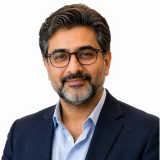
I travelled from Mardan having already been given three different prices over the phone elsewhere. Here they examined my scalp first, put the quote in writing, and that was exactly what I paid. The doctor explained why FUT suited my case rather than selling me the newer option.
Muhammad Bilal
Muhammad Bilal

Serving Patients Across the Province and Beyond

Peshawar and Hayatabad

A regular share of our consultations, with scheduling flexible enough for a full scalp and donor assessment.

Charsadda & Mardan

Sending scalp and hair loss photos over WhatsApp beforehand helps us give you an early, honest read before your visit.

Across KPK

The same consultation and assessment standard applies regardless of where in the province you're travelling from.

Traveling to Us

Patients from across Pakistan are welcome, with WhatsApp assessment available before you commit to the trip.

Frequently Asked Questions About Hair Transplant

A standard course is six sessions roughly four weeks apart, followed by maintenance every four to six months. Some patients respond within four. Your plan is confirmed after trichoscopy rather than assumed from an average.

Book Your Free PRP Consultation in Peshawar

Send photographs of your thinning area on WhatsApp and a clinician will tell you whether PRP is likely to help you, how many sessions you would need, and exactly what it costs. Free, private, and honest if the answer is that PRP is not the right treatment for your stage.